How to Stay Safe While Surfing Big Waves
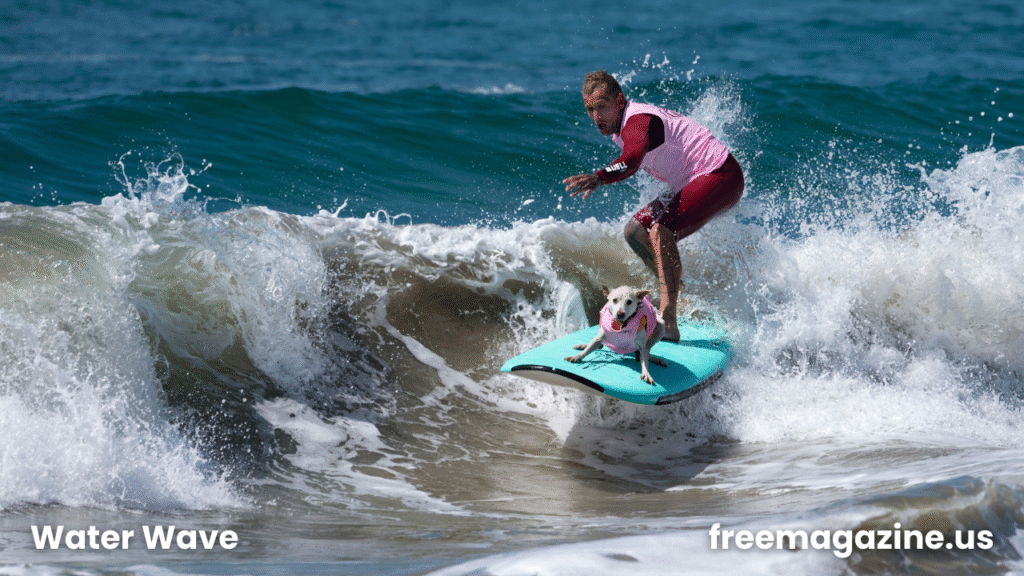
Surfing big waves is not just a sport – it is an adventure that tests courage and the ability to face nature at its most powerful. Many surfers dream of the moment they ride a giant wave hitting the shore, but this moment can be extremely dangerous without proper preparation.
Safety is not optional when it comes to big waves. It is the foundation for every surfer, whether a professional or a beginner. In this article, we will guide you through the risks, preparations, equipment, and practical tips to help you stay safe while enjoying the thrill of giant waves.
Why Big Waves Are Dangerous
Before discussing safety, it is important to understand the real risks:
- Water Force: A big wave carries enormous weight and pressure that can easily pull you underwater.
- Drowning: Losing balance under water for an extended period is one of the greatest dangers.
- Collisions with Rocks or the Seafloor: Some areas contain sharp reefs or rocks that can cause serious injuries.
- Equipment Hazards: Your surfboard can become a danger if it hits you during a fall.
- Physical Exhaustion: Big wave surfing requires high energy and the ability to hold your breath for long periods.
Physical Preparation Before Facing Big Waves
- Strengthen Your Body
Surfing is not just about balance. You need strong shoulders, arms, core, and legs. Swimming, light weight training, and yoga are highly beneficial. - Practice Breathing Techniques
You may find yourself trapped underwater after a fall. It is essential to practice breath-holding techniques and deep breathing exercises. - Improve Cardiovascular Fitness
Running and cycling help increase endurance and enhance your body’s oxygen supply.
Essential Equipment for Big Wave Surfing
- Gun Board: Longer and narrower than regular boards, it helps you control speed on big waves.
- Leash: Keeps your board close, but must be strong enough to handle the wave pressure.
- Helmet: Protects your head from collisions with your board or rocks.
- Life Vest or Impact Vest: Helps you stay afloat when exhausted.
- Fins: Provide stability and better control on large waves.
- Wetsuit: Protects against cold water and abrasions from rocks or reefs.
Choosing the Right Surf Spot
Not every beach is suitable for big waves. Consider:
- Your Skill Level: Avoid famous big wave spots like Hawaii or Tahiti if you are a beginner.
- Seafloor Conditions: Avoid areas with sharp reefs or large rocks.
- Presence of Lifeguards or Support Team: Never surf alone in dangerous locations.
Mental Preparation
Big wave surfing is a battle between you and your fears. Feeling intimidated is normal, but you must control anxiety.
- Visualization: Imagine scenarios and how you will handle falls or losing balance.
- Deep Breathing: Reduces tension and improves focus.
- Stay Calm Under Pressure: Remember that the wave passes and panic increases danger.
Safety Strategies While Surfing
- Observe the Water Constantly
Learn wave patterns and currents before entering the water. - Never Surf Alone
Having a partner or team increases your chances of survival in emergencies. - Avoid Crowded Waves
Do not attempt to ride the same wave as someone else if you lack experience. - Safe Falling Techniques
Do not resist the water if you fall.
Dive to a shallow depth to avoid board impact.
Protect your head with your arms during the fall. - Handling the “Washer Effect”
When a wave flips you underwater, stay calm and do not rush to the surface. Wait until the pressure subsides, then rise slowly.
Common Mistakes to Avoid
- Overconfidence: Attempting waves beyond your skill level can be fatal.
- Neglecting Equipment: Inappropriate boards or weak leashes increase danger.
- Ignoring Weather Conditions: Wind and currents can dramatically alter waves.
- Poor Physical Preparation: Lack of fitness reduces endurance and control.
Emergency Plan
Even with all precautions, accidents can happen. Make sure to:
- Inform someone on the shore before entering the water.
- Agree on hand signals for emergencies with a partner.
- Know the nearest medical or rescue points.
- Learn basic rescue skills, including CPR.
Best Big Wave Surfing Spots Worldwide
- Waimea Bay – Hawaii: One of the most famous locations for giant waves.
- Teahupo’o – Tahiti: Known for its sharp and powerful waves.
- Mavericks – California: A challenging destination for experienced surfers.
- Nazaré – Portugal: Home to some of the largest waves ever recorded.
- Jeffreys Bay – South Africa: Combines beauty with thrilling surf conditions.
Inspirational Stories from Big Wave Surfers
Many professional surfers share how their experience with breath control and strict safety routines saved them from life-threatening situations. These stories prove that success in big wave surfing is not just about strength, but also intelligence, discipline, and respect for the ocean.
Conclusion
Surfing big waves is an unforgettable experience, but it can become dangerous if even the simplest safety rules are ignored. Preparing your body, using the right equipment, choosing the correct location, and controlling your fear are all essential for a safe adventure.
Always remember: the wave will pass, but your life is irreplaceable. Be prepared, enjoy the thrill, and stay safe.