Eco-Friendly Practices for Water Sports Enthusiasts
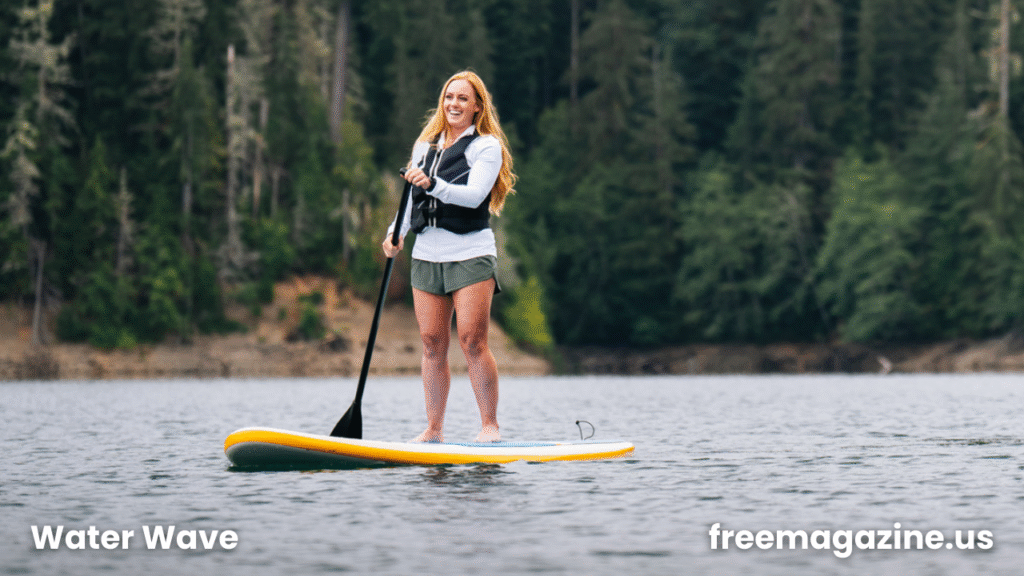
Water sports have become more than just a hobby or exercise – they are an experience that allows you to enjoy the water, the fresh air, and the natural environment while promoting physical fitness. However, with the growing popularity of these activities, the pressure on marine environments, beaches, and coral reefs has increased.
Fortunately, water sports enthusiasts can practice their hobbies in eco-friendly ways that protect oceans, preserve biodiversity, and ensure the sustainability of these sports for future generations.
This article offers a comprehensive guide to sustainable practices in water sports, with practical tips, real-world examples, and initiatives that have succeeded around the world.
1. Why Protecting the Environment Matters in Water Sports
Before exploring practical steps, it is essential to understand why protecting the marine environment is crucial:
- Preserving biodiversity – Oceans and coral reefs are home to thousands of marine species. Pollution or destruction can disrupt entire food chains.
- Sustainability of water sports – If water quality or coral reefs degrade, activities like snorkeling, diving, surfing, and paddling will be affected.
- Public health – Marine pollution can directly impact humans through contaminated seafood.
- Natural beauty – Keeping beaches and waters clean enhances the overall experience.
2. Eco-Friendly Practices Before Engaging in Water Sports
Choosing Sustainable Gear
- Use equipment and clothing made from recyclable materials, such as wetsuits made from recycled neoprene.
- Select fins and snorkeling masks made from eco-friendly or non-toxic plastics.
- Reduce single-use items like plastic water bottles and replace them with reusable bottles.
Using Reef-Safe Sunscreen
- Avoid sunscreens containing oxybenzone or octinoxate, as they harm coral reefs.
- Use mineral sunscreens with zinc oxide or titanium dioxide, which are safer for marine environments.
Choosing Appropriate Locations
- Visit areas designated for water sports that follow environmental protection regulations.
- Avoid snorkeling or diving in ecologically sensitive areas, such as fragile coral reefs or marine protected zones.
3. Eco-Friendly Practices During Water Sports
Keeping Water and Beaches Clean
- Never throw any waste into the water or on the beach.
- Collect litter you find, even if it is not yours, to help maintain a clean environment.
Avoid Touching Coral and Marine Life
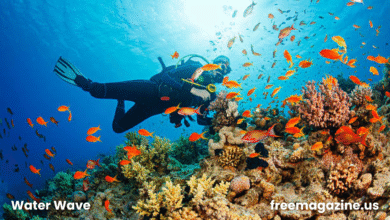
- Do not touch or step on corals, as they are delicate and easily damaged.
- Avoid catching or collecting fish or marine creatures while snorkeling or surfing.
Managing High-Impact Activities
- When engaging in activities like jet skiing or powerboating, maintain low speeds near reefs to minimize impact on marine life.
- Respect safe distances from marine animals, such as sea turtles, dolphins, or larger fish.
Using Clean Energy Alternatives
- Opt for non-motorized boats like kayaks or sailboats whenever possible.
- This reduces fuel spills and noise pollution in the water.
4. Eco-Friendly Practices After Water Sports
Cleaning Equipment
- Rinse all gear with fresh water to remove chemicals and salt, protecting both your equipment and the environment.
- Ensure no equipment is left on the beach after use.
Participating in Environmental Initiatives
- Join beach or ocean cleanup campaigns.
- Engage in educational programs that promote sustainable tourism and environmentally responsible water sports.
Sharing and Raising Awareness
- Document your experience online with a focus on responsible environmental behavior.
- Photos or videos demonstrating eco-friendly practices encourage others to follow suit.
5. Successful Global Initiatives
1. Reef Safe Program, Maldives
- Encourages tourists and water sports enthusiasts to use reef-friendly products.
- Provides eco-friendly snorkeling equipment and organizes beach cleanups.
2. Beach Cleanup Campaigns, Hawaii
- Removes plastic waste from beaches and shallow waters.
- Educates locals and tourists about the impact of plastic pollution on marine life.
3. Coral Reef Protection Projects, Red Sea
- Replants damaged coral reefs.
- Establishes protected zones for water sports and teaches visitors how to snorkel without harming reefs.
6. Practical Tips for Eco-Conscious Water Sports Enthusiasts
- Use reusable equipment and gear, avoiding single-use plastics.
- Choose authorized areas for snorkeling and other water activities.
- Prefer sailboats or kayaks over motorized boats when possible.
- Always follow local and environmental guidelines.
- Continuously educate yourself about marine life and environmental threats.
7. Benefits of Practicing Eco-Friendly Water Sports
- Protecting oceans and coral reefs – Every responsible action helps preserve marine life and biodiversity.
- Sustainability of the sport – Water sports remain enjoyable and accessible if the marine environment is protected.
- Positive social impact – Encouraging others to follow eco-friendly practices reduces pollution and raises awareness.
- Enhanced and safer experiences – Clean waters and healthy coral reefs provide a more comfortable and secure experience.
8. Common Mistakes to Avoid
- Using sunscreens or products harmful to coral reefs.
- Throwing waste into the water or leaving it on beaches.
- Touching or breaking corals.
- Overusing boats or powerful engines near reefs.
- Ignoring local safety and environmental regulations.
9. Conclusion
Water sports offer an incredible experience, but environmental responsibility is key to ensuring these activities continue for future generations. By following eco-friendly practices before, during, and after your water adventure, you can:
- Keep waters and coral reefs healthy.
- Protect marine biodiversity.
- Enjoy safer, more enjoyable experiences.
- Inspire others to protect the environment.
Whether you are snorkeling, surfing, paddling, or engaging in any other water activity, make eco-conscious behavior an integral part of your journey. This way, you are not only enjoying your sport but also acting as a guardian of nature, helping preserve the beauty of oceans and marine life for years to come.