Diving: Exploring the Hidden World Beneath the Waves
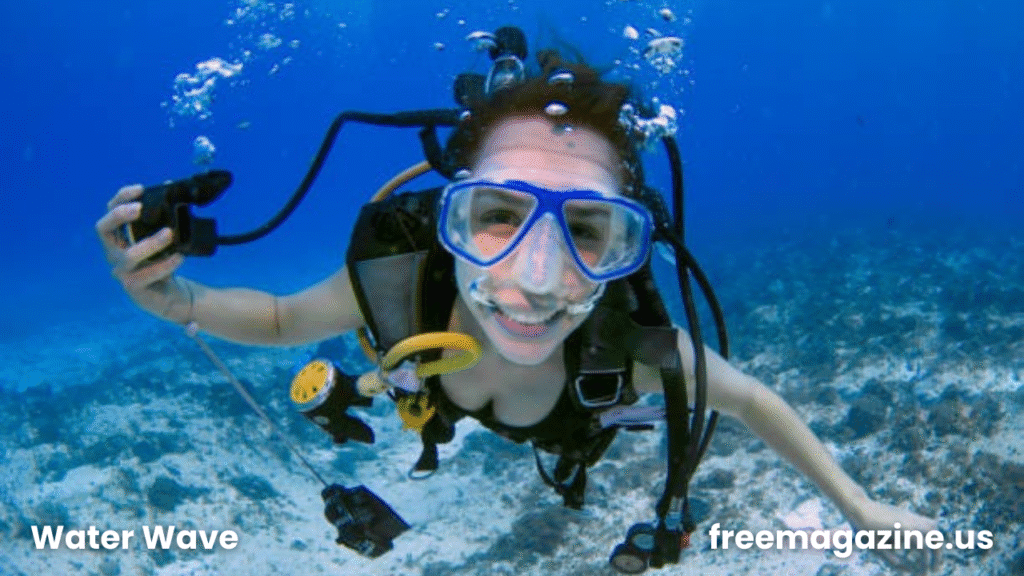
Diving is not just another sport you practice for fun at the beach. It is an adventure that transports you into a hidden world beneath the surface – a world filled with vibrant colors, fascinating creatures, and breathtaking underwater landscapes. Many divers describe it as stepping through a magical door that allows humans a rare chance to explore a place that was never meant to be their natural habitat.
This article will take you on a journey into the world of diving: its history, types, benefits, risks, essential gear, and some of the most famous global destinations for divers.
Diving: From Survival to Recreation
In ancient times, diving was not a sport but a necessity. People dove to gather food, harvest pearls, or collect sponges from the sea. The Greeks and Romans were among the earliest divers, using primitive tools to stay longer underwater.
The true revolution came in the 20th century with the invention of the SCUBA (Self-Contained Underwater Breathing Apparatus) by Jacques Cousteau and his team. This innovation transformed diving into a global activity, shifting it from hard labor to a thrilling recreational pursuit. Today, millions of people around the world enjoy diving not only for fun but also for research, photography, and adventure.
Types of Diving
There is no single form of diving. Each type offers a different experience:
- Recreational Diving
The most common type, usually done at depths of 5 to 30 meters. It is suitable for beginners and tourists. - Free Diving
This relies on holding your breath instead of using tanks. It requires strong lung capacity and mental focus. - Night Diving
A unique way to discover marine life that only comes out after sunset. - Deep Diving
Takes divers below 40 meters. It is used for research and requires advanced training. - Cave Diving
Exploring underwater caves and tunnels. It is considered one of the most challenging and dangerous forms. - Wreck Diving
Exploring shipwrecks and sunken planes, offering a mix of history and marine beauty.
The Benefits of Diving
Diving is more than just a visual thrill. It brings mental and physical benefits:
- Stress relief: The silence beneath the water creates a deep sense of peace.
- Improved fitness: Swimming underwater strengthens muscles and improves breathing.
- Sharper focus: Divers must pay attention to details, which enhances concentration.
- Confidence boost: Overcoming the fear of depth builds self-assurance.
- Connection with nature: Experiencing marine life firsthand develops respect and love for the environment.
Risks of Diving and How to Avoid Them
Like any adventure, diving comes with potential risks:
- Decompression sickness: Caused by surfacing too quickly. The solution is to ascend slowly.
- Running out of air: Always monitor your air gauge.
- Strong currents: Can be dangerous for inexperienced divers. Always dive with a buddy.
- Marine creatures: Most are harmless, but some like jellyfish or lionfish can be dangerous.
With proper training, awareness, and safety measures, diving is generally very safe.
Essential Diving Gear
To enjoy a safe dive, you need the right equipment:
- Wetsuit or drysuit: Protects against cold and scratches.
- Air tank: Your main source of breathing underwater.
- Regulator: Controls airflow from the tank to your mouth.
- Mask: Provides clear underwater vision.
- Fins: Help you move efficiently.
- Dive computer: Tracks depth and time to avoid risks.
- Weights: Help you descend smoothly.
Tips for Beginners
- Take a certified training course before diving.
- Never dive alone, always with a partner.
- Listen to your body and rest if you feel tired.
- Respect marine life and avoid touching corals or animals.
- Check weather conditions before every dive.
Diving and Global Tourism
Diving has become one of the main attractions for tourism. Millions of travelers choose destinations based on diving opportunities. Countries such as Egypt, Indonesia, and the Maldives invest heavily in this sector, making diving a key part of their tourism industry.
The World’s Best Diving Destinations
- Great Barrier Reef – Australia: The largest coral reef system on Earth.
- Red Sea – Egypt: Famous for its crystal-clear waters and colorful marine life.
- Bali – Indonesia: Known for its vibrant fish and coral formations.
- Maldives: Home to manta rays and whale sharks.
- Cozumel – Mexico: Offers some of the clearest diving conditions.
- Cebu and Palawan – Philippines: Stunning underwater scenery and biodiversity.
Diving as a Path to Inner Peace
One of the most unique aspects of diving is the meditative effect. Underwater, the world above disappears. You hear only your breathing and the sound of bubbles, allowing you to disconnect from stress and reconnect with yourself. Many divers describe it as therapy for the mind and soul.
The Future of Diving
Thanks to technology, diving continues to evolve. New equipment makes it safer and more accessible, while virtual reality is opening new ways to train divers. The future may even bring opportunities to explore depths never reached before, combining adventure with scientific discovery.
Conclusion
Diving is an unforgettable experience. It is a blend of adventure, discovery, and peace of mind. With proper training, the right equipment, and awareness of safety, diving can open the door to one of the most beautiful and mysterious worlds on our planet.
It is more than a sport – it is a journey into the unknown, a chance to see nature in its purest form, and an opportunity to find beauty where most people never look.