Beginner’s Guide to Stand-Up Paddleboarding (SUP)
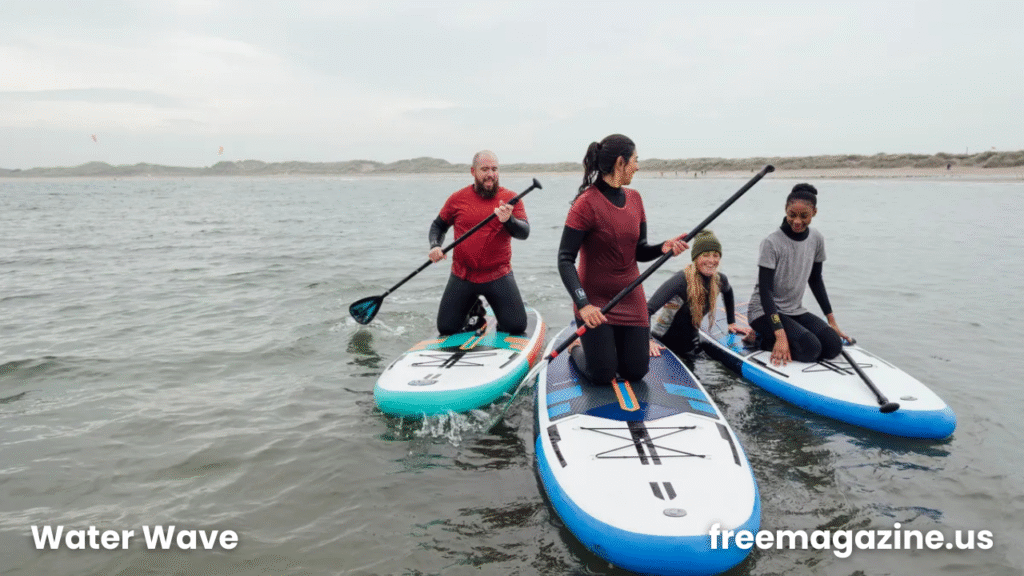
Stand Up Paddleboarding, commonly known as SUP, is one of the fastest-growing water sports in the world. What makes it unique is its accessibility – you don’t need years of training or advanced skills to get started. Whether in the ocean, lakes, or calm rivers, SUP offers a mix of fitness, relaxation, and adventure.
This activity gives you the chance to strengthen your body, improve your balance, and enjoy breathtaking views from a whole new perspective. Whether you’re a complete beginner or simply looking for a fresh activity to add to your routine, SUP provides the perfect balance of fun and exercise.
What is SUP?
SUP originated in Hawaii in the mid-20th century when surf instructors used large boards and paddles to follow their students from a distance. Over time, it evolved into an independent sport and spread worldwide.
Unlike traditional surfing, SUP does not rely only on waves. You can practice it in calm waters, making it accessible for people of all ages – from kids to older adults.
Benefits of Stand Up Paddleboarding
- Improves Balance
Standing on the board engages your core muscles, helping to build strength and stability. - Full-Body Workout
Your arms and back are used for paddling, your legs maintain balance, and your core supports the motion – giving you a complete body workout. - Stress Relief
The calmness of the water and surrounding nature creates a sense of peace, making SUP an ideal escape from daily stress. - Suitable for All Ages
You don’t need high fitness levels or prior experience, so it can be a fun family activity. - Burns Calories
Depending on intensity, you can burn 300 to 500 calories per hour – even more if you paddle faster or surf waves.
Essential Equipment for Beginners
To enjoy SUP safely and comfortably, you need the right gear:
- SUP Board:
Available in two main types – hard boards and inflatable boards. Inflatable boards are highly recommended for beginners due to their portability and easy storage. - Paddle:
Choose a lightweight paddle. Ideally, it should be around 20 cm (8 inches) taller than your height. - Leash:
A safety cord attached to your ankle to ensure the board stays close if you fall. - Life Jacket:
Essential for beginners or when paddling in deep waters. - Air Pump:
Necessary if you choose an inflatable board to reach the proper pressure before starting.
Steps to Learn SUP
- Choose the Right Spot
Begin in calm waters such as a small lake or a beach with no strong waves. - Start Sitting on the Board
Sit in the middle of the board to get used to its balance. - Move to a Kneeling Position
Once you feel stable, kneel down with your hands on the board for added support. - Stand Up Slowly
Place one foot and then the other in the center of the board. Keep your knees slightly bent to maintain balance. - Learn Proper Paddling
Insert the paddle into the water in front of you and pull it backward alongside the board.
Switch sides every few strokes to keep moving in a straight line.
Balance Tips for Beginners
- Keep your eyes on the horizon, not your feet.
- Distribute your weight evenly across both legs.
- Make slow movements when turning or adjusting position.
- Remember that wider boards are easier for balance.
Common Mistakes and How to Avoid Them
- Looking Down Too Much
This often causes loss of balance. Solution: Focus on the horizon. - Using a Paddle That’s Too Short
This forces you to bend excessively, straining your back. Solution: Pick the right size paddle. - Paddling with Arms Only
You should engage your core and back muscles. Solution: Use your whole body for efficient strokes. - Standing Away from the Center of the Board
This reduces stability. Solution: Always stay close to the middle.
Types of SUP Activities
- Recreational Paddling: Ideal for beginners in calm waters.
- SUP Yoga: Practicing yoga on a paddleboard for relaxation and balance.
- River Paddling: For those seeking more challenge and excitement.
- SUP Racing: A sport for speed lovers and advanced paddlers.
- SUP Surfing: A mix between surfing and paddling for wave enthusiasts.
Safety Tips for Beginners
- Always check the weather before heading out.
- Stay close to shore on your first attempts.
- Wear proper sun protection.
- Avoid paddling alone, especially as a beginner.
- Listen to your body and take breaks when needed.
Best SUP Destinations Worldwide
- Hawaii – USA: The birthplace of SUP and perfect for adventurous paddlers.
- Lake Tahoe – California: Clear waters surrounded by stunning mountains.
- Maldives – Indian Ocean: Paddleboarding over vibrant coral reefs.
- Sharm El Sheikh – Egypt: A mix of paddling and world-class diving.
- Bali – Indonesia: Known for its natural beauty and active water sports scene.
Conclusion
Stand Up Paddleboarding (SUP) is more than just a water sport – it’s an experience that combines fitness, fun, and tranquility. It gives you the chance to see nature from a new angle while improving both your physical and mental health.
Whether you’re searching for a new adventure or a relaxing hobby, SUP is a fantastic choice for beginners and experts alike. With the right equipment, a bit of patience, and plenty of enthusiasm, you’ll be ready to paddle into your next adventure.