Nutrition for Water Athletes: What to Eat Before and After Your Training
Water sports, such as open-water swimming, surfing, rowing, and diving, are not just physical activities, but complete experiences that require harmony between the body, mind, and energy. An athlete’s performance in water depends on many factors, including muscular strength, endurance, mental focus, and the ability to control breathing. All these elements need precise and balanced nutrition, because the right food before, during, and after training can significantly impact performance and overall results.
In this article, we will dive deeply into the nutrition strategies every water athlete should know. We will provide detailed explanations, practical examples, and actionable tips to improve performance, increase endurance, and accelerate recovery after every training session.
Why Nutrition Matters for Water Athletes
Water sports differ from land-based activities because the body moves against water resistance, which dramatically increases energy consumption. In water, the body coordinates muscle movements, regulates breathing, and maintains balance, all of which require continuous energy.
Proper nutrition helps with:
- Providing the right energy source: The body needs fuel it can quickly and efficiently use during training
- Improving muscle endurance: Stored carbohydrates in muscles maintain performance over long periods
- Enhancing mental focus: Balanced nutrition impacts alertness and decision-making in the water
- Reducing injury and fatigue risks: Essential nutrients help muscles recover faster and lower the chances of cramps or overexertion
Without a balanced diet, athletes may experience rapid energy depletion, early fatigue, and decreased focus, making training less effective and sometimes unsafe.
Pre-Training Nutrition: Preparing Your Body for Water
The period before training is crucial because it determines how efficiently you can perform and sustain energy throughout the session. The body needs sustainable fuel and nutrients that do not weigh down the stomach.
Complex Carbohydrates:
Complex carbs are the main source of energy because they break down gradually, providing steady energy. Eating oatmeal, brown rice, potatoes, or whole-grain bread two to three hours before training prepares the muscles with the energy they need and reduces early fatigue. These carbs also fill muscle glycogen stores, enhancing physical endurance.
Light Protein:
Protein before training supports muscles and prevents tissue breakdown during exercise. Options include eggs, yogurt, or a small piece of chicken. Portion control is important to avoid stomach heaviness, and fast-digesting protein is preferable.
Moderate Healthy Fats:
Fats provide long-term energy but should be light before training. A small handful of nuts or a teaspoon of olive oil can supply sustainable energy without slowing digestion or adding heaviness.
Hydration:
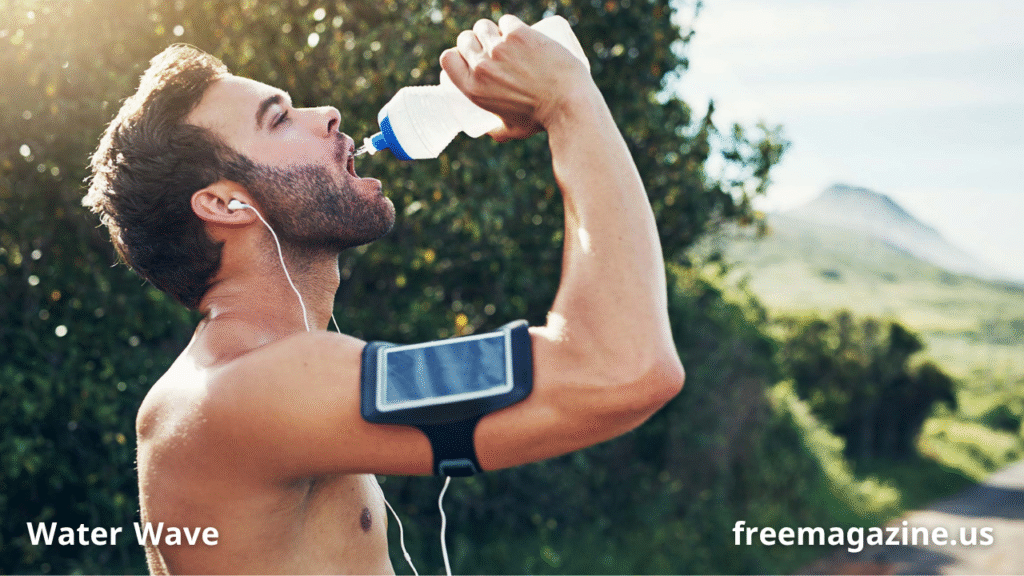
Water is the most important element before training. Drinking an adequate amount before entering the water maintains fluid balance and prevents fatigue or muscle cramps. Water athletes training in warm or humid environments may benefit from electrolyte drinks to replace lost sodium and potassium.
Small Pre-Training Snacks:
If the session is long, a small snack 20-30 minutes prior, such as a banana or apple, can provide quick energy without burdening the stomach.
Nutrition During Training: Maintaining Energy in Motion
During water training, the body needs to sustain energy and hydration, especially in long activities like long-distance swimming or hours of surfing.
Staying Hydrated:
Drinking water or electrolyte beverages maintains muscle performance and prevents exhaustion. In warm water, fluid loss is higher due to sweating and temperature, making continuous hydration essential.
Light Snacks:
Small snacks like natural sugars from bananas, apples, or light nuts can help maintain energy levels without feeling heavy or disrupting movement in water.
Timing Matters:
Food and drink intake during training should be strategic. The goal is not to fill the stomach but to provide a small energy boost when needed while keeping the body comfortable.
Post-Training Nutrition: The Key Recovery Phase
After training, the recovery phase begins. This phase is often the most critical because it determines how quickly muscles regain energy and restore the body’s internal balance.
Replacing Fluids and Electrolytes:
During training, the body loses significant amounts of water and essential minerals. Drinking water immediately after training is essential, and adding electrolyte drinks helps replace sodium and potassium.
Carbohydrates to Restore Energy:
Consuming carbohydrates after training refills glycogen stores in muscles, reducing fatigue and boosting endurance for the next session. Options include rice, potatoes, pasta, or starchy fruits.
Protein for Muscle Support:
Post-training protein helps repair damaged muscles and supports growth. Fish, chicken, eggs, or protein supplements ensure faster recovery and reduce post-workout soreness.
Moderate Healthy Fats:
Healthy fats like olive oil, avocado, and nuts help with vitamin absorption and support heart health, but should be consumed in moderation after exercise.
Additional Nutritional Tips for Water Athletes
- Eat small, balanced meals every 3-4 hours to maintain stable energy levels
- Avoid heavy or fatty foods before training to reduce stomach discomfort
- Focus on iron and calcium sources to support muscles and bones, such as spinach, dairy, and nuts
- Monitor your body’s response to foods, as each athlete may need adjustments based on sport type and training duration
Nutrition and Mental Performance
Water sports are not only about muscles; they demand mental focus, self-control, and balance in water. Proper pre-training nutrition fuels the brain, enhancing decision-making and reducing mistakes. Studies show that low glucose levels in the brain can slow reaction time and increase mental fatigue, which can be risky in water sports requiring quick responses to waves or obstacles.
Conclusion
Nutrition for water athletes is a comprehensive strategy that ensures optimal performance and endurance for long sessions. Carbohydrates fuel the muscles, protein supports repair and growth, and healthy fats provide sustainable energy.
Hydration before, during, and after training maintains bodily balance and reduces the risk of cramps and fatigue. Following a well-structured nutritional plan allows water athletes to get the most out of every session and enjoy the water with full confidence and freedom.
Nutrition is not just food; it is an essential element to achieving peak performance and success in water sports.