How Water Sports Can Boost Your Mental Health

Water sports are among the most enjoyable and beneficial activities for both adventure seekers and those looking to improve their well-being. Whether it is diving, surfing, kayaking, swimming in the ocean or lakes, or skimboarding, these sports not only provide fun and excitement but also play a significant role in enhancing mental health.
In this article, we will explore in detail the psychological benefits of water sports, the scientific reasons behind their impact on mood, practical tips for practicing them, and ways to integrate these activities into your daily life to boost happiness and mental well-being.
1. The Connection Between Water and Mental Health
Water has long been recognized as a soothing element for the human mind. Psychological studies have shown that being near water or engaging in water activities helps to:
- Reduce stress and anxiety.
- Improve overall mood.
- Enhance focus and attention.
- Promote a sense of calm and inner balance.
This effect is sometimes referred to as the “Blue Mind Effect”, suggesting that blue-colored environments and natural water bodies generate a feeling of peace and emotional stability.
2. How Water Sports Improve Positive Mood
A. Releasing Stress and Mental Pressure
Water sports such as surfing or kayaking require concentration on movement and controlled breathing, which leads to:
- Diverting attention from daily pressures.
- Stimulating the release of endorphins and serotonin, the body’s natural mood enhancers.
- Reducing levels of cortisol, the stress hormone.
B. Improving Sleep Quality
Engaging in water sports uses energy and exercises muscles in a balanced way, contributing to:
- Easier and deeper sleep.
- Reducing insomnia or sleep disturbances caused by stress.
C. Boosting Self-Confidence
Learning new skills such as:
- Controlling waves while surfing.
- Maintaining stability while paddling.
- Performing new movements while diving or skimboarding.
This builds self-confidence and a sense of personal achievement, which is essential for mental health.
3. Benefits for the Brain
- Enhancing focus and attention: Practicing water sports requires monitoring waves, maintaining balance, and controlling movements, which stimulates brain areas responsible for concentration and motor control.
- Boosting creativity and problem-solving skills: The constantly changing water environment encourages the brain to adapt to new conditions, fostering creativity and mental flexibility.
- Improving memory: Water sports that involve learning new techniques or sequences enhance motor memory as well as short- and long-term memory.
4. Reducing Anxiety and Depression
Research has shown that regularly practicing water sports reduces anxiety and depression symptoms through:
- Exposure to natural water environments: Oceans, lakes, or rivers help calm the nervous system.
- Continuous physical activity: Swimming, surfing, or paddling stimulates endorphin production, naturally improving mood.
- Social interaction: Many water sports are practiced in groups or clubs, which strengthens a sense of belonging and social support.
5. Practical Tips for Using Water Sports to Improve Mental Health
A. Choose the Right Activity
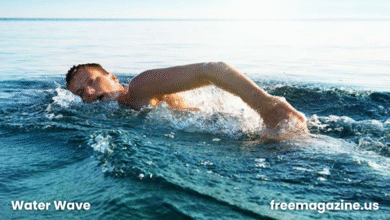
- Free swimming: Ideal for relaxation and internal reflection.
- Surfing or Bodyboarding: Perfect for those seeking challenge and adventure.
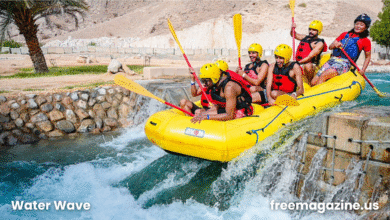
- Kayaking or paddling: Helps with focus, control, and stress reduction.
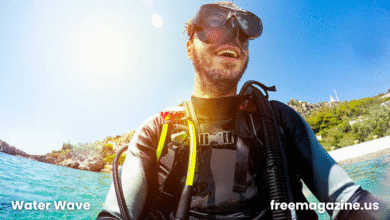
- Diving or snorkeling: Excellent for connecting with nature and observing marine life.
B. Practice Regularly
- Aim to engage in water sports 2-3 times per week to achieve noticeable effects on mood and mental well-being.
C. Combine with Meditation and Deep Breathing
- Before and after your water activity, practice meditation and deep breathing to maximize calming effects on the mind and body.
D. Prioritize Safety
- Wear appropriate protective gear such as wetsuits, leashes, or helmets when necessary.
- Practice in environments suitable for your skill level.
6. Real-Life Examples of Water Sports Impacting Mental Health
- Surfing in Hawaii: Professional surfers report that daily surfing helps them relieve anxiety and stress.
- Paddling on calm lakes: Gliding on clear water induces inner peace and harmony with nature.
- Snorkeling over coral reefs: Focusing on marine life allows the mind to “empty” from daily stress while improving attention.
7. Scientific Evidence Supporting Water Sports for Mental Health
- A study by University of Colorado found that regular water sports participation reduces anxiety and depression levels by up to 40%.
- European research highlighted that spending time near water or exercising in marine environments improves mood and increases happiness and self-satisfaction.
- Other studies show that 30 minutes of surfing or paddling daily increases serotonin and endorphin levels, alleviating depression symptoms.
8. Integrating Water Sports into Your Daily Routine
- Weekend breaks: Dedicate half a day to swimming or surfing to relieve stress.
- Group activities: Join a water sports club to enhance social interaction and mental well-being.
- Water meditation: After your session, sit by the shore or on a boat, close your eyes, and focus on the sound of waves to cultivate inner calm.
9. Additional Tips to Maximize Mental Benefits
- Use calm music or natural sounds while engaging in water sports.
- Practice at optimal times of day, such as early morning or before sunset, to enhance meditative effects.
- Combine water sports with yoga or mindfulness exercises for a synergistic impact on mental health.
10. Conclusion
Water sports are more than just a source of fun or physical fitness – they are a powerful tool for enhancing mental health. They help:
- Reduce stress and anxiety.
- Improve overall mood and happiness.
- Boost self-confidence and a sense of accomplishment.
- Enhance focus, memory, and mental flexibility.
- Foster social connections and a sense of belonging.
Whether you engage in swimming, surfing, paddling, diving, or skimboarding, incorporating these activities into your routine can create a significant positive impact on mental health and overall quality of life.
Start today with water sports and enjoy not only the physical benefits but also the mental peace and happiness that water and marine nature provide.