The Difference Between Surfing, Bodyboarding, and Skimboarding
Water sports are among the most exciting and enjoyable activities for adventure seekers and fitness enthusiasts. Among these sports, surfing, bodyboarding, and skimboarding stand out for providing interactive experiences with water, nature, and fresh air.
Although these activities share similarities in using boards and gliding on water, each sport has unique characteristics, equipment, and techniques. This article provides a comprehensive guide detailing the differences between these sports, their history, popular global locations, professional tips, and health and environmental benefits.
1. Surfing
History of Surfing
Surfing is one of the oldest water sports, originating in ancient Hawaiian islands, where locals used boards to ride waves for recreation and competition. Over the decades, surfing evolved into a global phenomenon with professional competitions and dedicated surf clubs.
Nature of the Sport
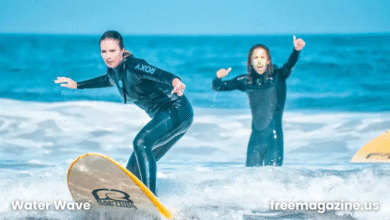
Surfing involves standing on a specialized board and gliding over breaking waves. It requires balance, physical strength, and wave-reading skills to catch the right moment to ride successfully.
Essential Equipment
- Surfboard: Varies in length and shape depending on skill level and wave type. Longboards are suitable for beginners, while shortboards are ideal for professionals.
- Leash: A safety strap to secure the board to the ankle and prevent it from drifting away.
- Wetsuit: Provides protection from cold water and sun exposure.
- Wax: Applied to the board for better grip and stability.
Ideal Environment
- Oceans and seas with medium to large waves.
- Open beaches where catching waves is easier.
Popular Locations Worldwide
- North Shore, Hawaii – famous for strong waves suitable for professional surfers.
- Bondi Beach, Australia – ideal for both beginners and advanced surfers.
- Jeffreys Bay, South Africa – known for long, smooth waves perfect for surfing challenges.
Skills Required
- Excellent balance on the board while riding waves.
- Ability to read and anticipate wave movements.
- Physical strength and flexibility to control the board.
- Patience and persistence, especially for beginners learning over months.
2. Bodyboarding
History of Bodyboarding
Bodyboarding emerged in the 1970s as a derivative of traditional surfing. Athletes use a short board to lie or kneel on while gliding over waves. It became a worldwide sport with professional competitions and is generally easier to learn compared to traditional surfing.
Nature of the Sport
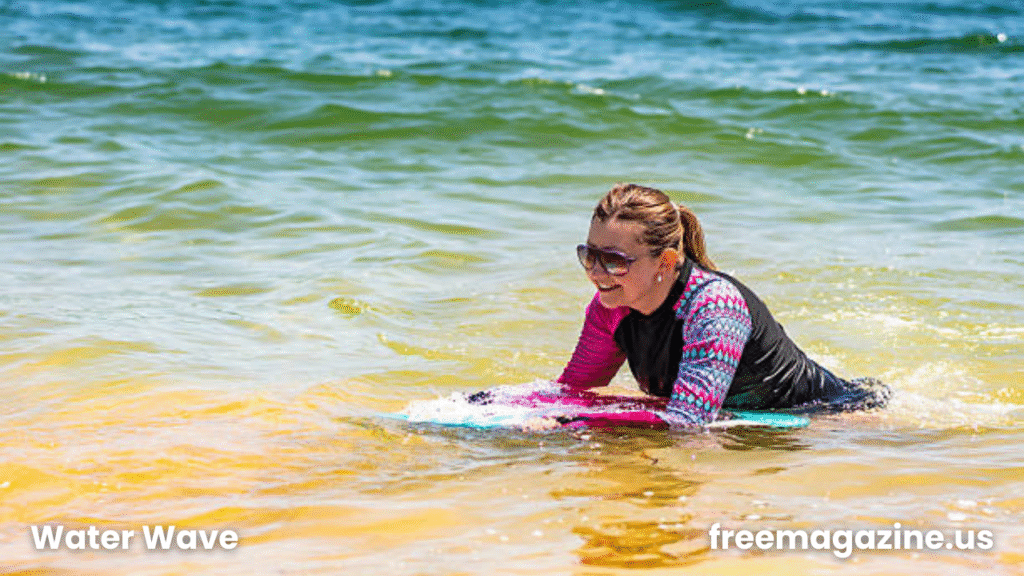
Bodyboarding involves lying or kneeling on a short board and riding waves, focusing on speed, control, and proper timing.
Essential Equipment
- Bodyboard: Short and lightweight.
- Fins: Small fins help with propulsion and steering.
- Wetsuit: For water temperature protection.
- Leash: Optional but recommended in strong waves.
Ideal Environment
- Beaches with small to medium waves.
- Shallow water areas to reduce risk.
Popular Locations Worldwide
- Pipeline, Hawaii – ideal waves for professional bodyboarders.
- Hossegor, France – well-known for international competitions.
- Rincon, Puerto Rico – long waves suitable for beginners and advanced riders.
Skills Required
- Control of the board while gliding.
- Using fins to propel and steer.
- Timing wave entry correctly.
- Maintaining body balance while lying or kneeling.
3. Skimboarding
History of Skimboarding
Skimboarding is a relatively modern sport, originating along the beaches of the United States and Hawaii. It involves gliding over shallow water or wet sand. Skimboarding emphasizes speed and acrobatic moves such as jumping and spinning, making it fun for both young enthusiasts and beginners.
Nature of the Sport
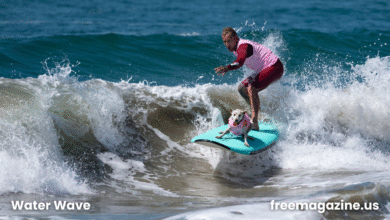
Skimboarding consists of riding a short, lightweight board on shallow water or wet sand, often including acrobatic moves like jumps, spins, and tricks.
Essential Equipment
- Skimboard: Short, flexible, made of fiberglass or lightweight wood.
- Footwear: Either barefoot or lightweight shoes depending on preference.
- Light wetsuit: Optional for colder water.
Ideal Environment
- Shallow, sandy beaches.
- Tide pools or gently sloping shores for smooth gliding.
Popular Locations Worldwide
- Laguna Beach, California – perfect for learning skimboarding and practicing tricks.
- South Padre Island, Texas – suitable for beginners and professionals.
- La Saline, Reunion Islands – sandy, shallow waters ideal for skimboarding.
Skills Required
- Excellent balance on shallow water.
- Ability to perform acrobatic tricks such as jumps and spins.
- Speed and agility on sand and water.
- Proper technique for push-off and glide.
4. Detailed Comparison
| Feature | Surfing | Bodyboarding | Skimboarding |
|---|---|---|---|
| Board Type | Long, varies | Short and light | Short, flexible, light |
| Body Position | Standing | Kneeling or lying | Standing or jumping on shallow water |
| Environment | Medium to large waves | Small to medium waves | Shallow water and wet sand |
| Skills | Balance, wave reading, strength | Steering, fins use, timing | Balance, acrobatics, speed |
| Difficulty | High | Medium | Medium to high depending on tricks |
| Equipment | Surfboard, leash, wetsuit, wax | Bodyboard, fins, wetsuit | Skimboard, optional shoes, light wetsuit |
| Popular Locations | North Shore, Bondi, Jeffreys Bay | Pipeline, Hossegor, Rincon | Laguna Beach, South Padre, La Saline |
5. Professional Tips for Water Sports Enthusiasts
- Choose the right sport for your skill level
- Surfing for advanced or challenge seekers.
- Bodyboarding for quick, easy fun on smaller waves.
- Skimboarding for acrobatic, high-speed fun on the beach.
- Use proper equipment
- Select board size and type based on activity and experience.
- Wear a suitable wetsuit for protection from cold water or sun.
- Apply surf wax for grip in surfing.
- Learn balance and wave-reading techniques
- Practice balance before tackling large waves.
- Observe water movement and calculate the right speed and timing.
- Prioritize safety
- Use a leash while surfing.
- Avoid deep or rocky areas in bodyboarding or skimboarding.
- Follow beach rules and warning signs.
- Practice environmentally-friendly habits
- Use reef-safe sunscreen.
- Collect any trash found on the beach.
- Respect marine life and avoid touching corals or fish.
6. Benefits of These Water Sports
- Physical fitness: Improve strength, balance, and flexibility.
- Mental health: Reduce stress and enhance happiness.
- Connection with nature: Observe marine life and appreciate the environment.
- Skill development: Enhance reflexes, body control, and wave-reading ability.
- Social interaction: Join clubs and communities sharing the same interests.
7. Conclusion
Although surfing, bodyboarding, and skimboarding share similarities, each sport has its own style, skills, and environment. Choosing the right sport depends on your experience, goals, and the type of adventure you seek.
Whether you choose:
- Surfing for large wave challenges and physical adventure,
- Bodyboarding for quick, enjoyable rides on smaller waves,
- Or Skimboarding for acrobatics and speed on shallow water,
Each option offers fun, fitness, and a unique connection with the ocean and nature.
By practicing these sports responsibly and safely, enthusiasts can enjoy their water adventures while protecting marine environments and creating lasting memories.