The Rise of Foil Surfing: Everything You Need to Know
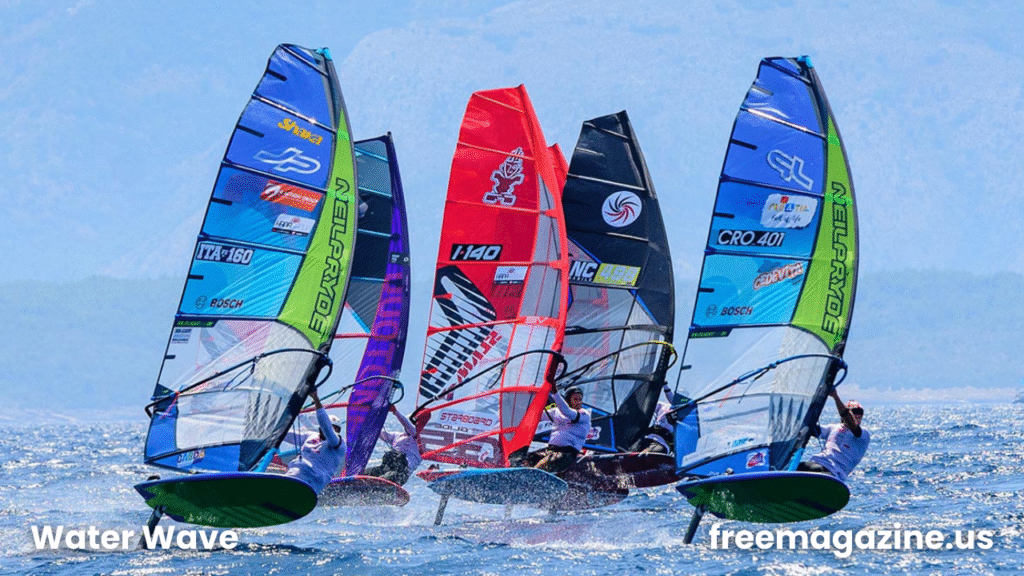
In the world of water sports, Foil Surfing has emerged in recent years as one of the most exciting and captivating activities. This sport combines thrill, adventure, and modern technology, offering surfers a unique sensation of gliding above the water as if flying.
Foil Surfing differs from traditional surfing because it uses a metal foil beneath the board, allowing riders to lift above the water’s surface, reduce drag, and experience greater fluidity and speed.
Foil Surfing is not just a hobby; it is a complete athletic challenge that requires balance, physical strength, and full mental focus. Whether you are a beginner or an advanced rider, this article provides a comprehensive guide covering everything about this sport: its history, equipment, techniques, training, safety, beginner and pro tips, the best locations, and international competitions.
1. What is Foil Surfing?
Foil Surfing is an advanced version of traditional surfing. It relies on a board equipped with a metal foil underneath, which allows the rider to glide above the water instead of riding directly on the waves.
Key Benefits of Foil Surfing:
- Gliding above the water: Provides a unique sense of freedom and excitement.
- Smoothness and speed: Reduces water resistance and increases board speed.
- Mental and physical challenge: Requires high focus and advanced balance skills.
- Versatility: Can be performed on small waves, large waves, and even relatively flat water.
Foil Surfing allows riders to experience flight over water, adding an entirely new dimension to surfing.
2. The History of Foil Surfing
- 1960s: The idea began with boards fitted with metal foils to reduce drag and lift the board above the water.
- Recent decades: Significant advancements occurred with the development of lighter, stronger materials like carbon fiber and aluminum.
- Today: Foil Surfing is a global competitive sport, with events attracting both amateurs and professional surfers.
3. Essential Foil Surfing Equipment
a. Foil Board
- Available in various sizes based on the rider’s weight and skill level.
- Larger boards are ideal for beginners, offering greater stability.
- Smaller boards give advanced riders more flexibility and maneuverability.
b. Foil (Wing)
- Usually made from aluminum or lightweight carbon fiber.
- The shape and size of the foil determine board speed and lift.
- Larger foils provide easier lift but slower speed, while smaller foils offer higher speed and better control.
c. Wetsuits and Safety Gear
- Wetsuit: Protects the body from cold water and minor injuries.
- Helmet: Protects the head during falls or collisions.
- Spinal and knee protectors: Reduce the risk of injury during advanced maneuvers.
d. Additional Gear
- Leash: Keeps the board attached to the rider in case of falls.
- Water shoes and gloves: Protect feet and hands from minor impacts or underwater hazards.
- Waterproof camera: Allows riders to record performance and analyze techniques.
4. Basic Foil Surfing Techniques
a. Balance and Control
- Balance is the key to success in Foil Surfing.
- Feet placement on specific points of the board is essential for stability.
- Use your entire body to adapt to foil movement and maintain smooth flow while riding.
b. Gliding Above the Water
- Weight control is crucial: leaning forward increases speed, while shifting backward maintains stability.
- Beginners should start on small waves and gradually progress to larger ones.
b. Advanced Maneuvers
- Side gliding and turns require full coordination of hands, body, and feet.
- Professionals use body weight to control speed, glide, and lift above the water.
- Reading waves and choosing the right line is essential for smooth flight.
5. Tips for Beginners
- Start in calm waters free from rocks and obstacles.
- Use a large foil board for better stability.
- Always wear a helmet and life vest.
- Practice standing and balancing before taking off on waves.
- Learn proper falling techniques to reduce injuries, such as falling sideways instead of headfirst.
- Focus on controlled breathing to stay calm while gliding.
- Attend training courses with certified instructors.
6. Tips for Advanced Riders
- Use smaller boards to improve maneuverability.
- Try gliding on larger waves for a more thrilling experience.
- Regularly maintain your board and foil to avoid equipment failure.
- Record your sessions with waterproof cameras for performance analysis.
- Practice side glides and sharp turns to advance your skills.
- Learn to read currents and waves to select the best paths and maintain speed.
7. Common Mistakes to Avoid
- Attempting large waves without sufficient experience.
- Ignoring safety equipment like helmets or body protectors.
- Losing focus while riding, which can lead to sudden falls.
- Excessive speed without full control, especially on small waves.
- Ignoring weather conditions and water currents before sessions.
8. Advanced Training for Foil Surfing
a. Balance Exercises
- Use a balance board to simulate foil movement.
- Practice standing on a stable board before attempting waves.
b. Core Strengthening
- Abdominal exercises, squats, and hand workouts improve control.
- Focus on leg and back muscles for stability while gliding.
c. Cardio and Endurance
- Swimming, running, and HIIT enhance stamina for longer rides.
- Endurance training helps handle large waves and extended sessions.
d. Mental Training
- Visualization techniques improve reaction to different waves.
- Focused breathing enhances mental control while gliding.
9. Foil Surfing Competitions
- Hawaii competitions: Strong waves suitable for professionals.
- European competitions: France and Portugal offer waves for intermediate levels.
- Australian competitions: Cater to both professionals and amateurs with varied wave challenges.
- Impact of competitions: Encourage innovation, develop new techniques, and boost global recognition of the sport.
10. Best Locations for Foil Surfing
- Hawaii: Powerful waves ideal for professionals.
- California: Calm waters and beginner-friendly beaches.
- Australia: Diverse waves suitable for all levels.
- Tahiti: Exceptional open water waves.
- Portugal: Stable waters for training.
- Caribbean Sea: Clear waters and small waves suitable for beginners.
11. Safety and Environmental Awareness
- Always wear safety gear: helmet, life vest, spinal protectors.
- Learn proper falling techniques to reduce injuries.
- Stick to designated foil areas to avoid collisions with swimmers or boats.
- Respect marine life and avoid damaging coral reefs or fish habitats.
- Always check weather conditions and water currents before each session.
12. Technical Analysis of Foil Movement
- Weight distribution: Properly shift your weight forward or backward for smooth gliding.
- Foil angle: Adjust the angle of the foil underwater to control height and speed.
- Optimal line: Learn to read waves to choose the best path for long glides.
- Advanced maneuvers: Execute sharp turns and side glides using dynamic body balance.
13. The Future of Foil Surfing
- The sport is expected to grow in popularity with technological advancements in boards and foils.
- International competitions will continue to promote innovation and skill development.
- Foil Surfing combines adventure, sport, and technology, making it one of the most exciting and creative water sports for the future.
Conclusion
Foil Surfing is more than just riding waves; it is a unique experience that combines thrill and flight over water. Whether you are a beginner learning the basics or an advanced rider seeking to enhance your skills, understanding equipment, techniques, safety tips, and advanced training is essential to enjoy this sport safely and fully.
Start gradually, respect the rules, and prepare for an unforgettable gliding-over-water experience that will leave lasting memories.