Jet Skiing Tips for Beginners and Professionals: A Complete Guide
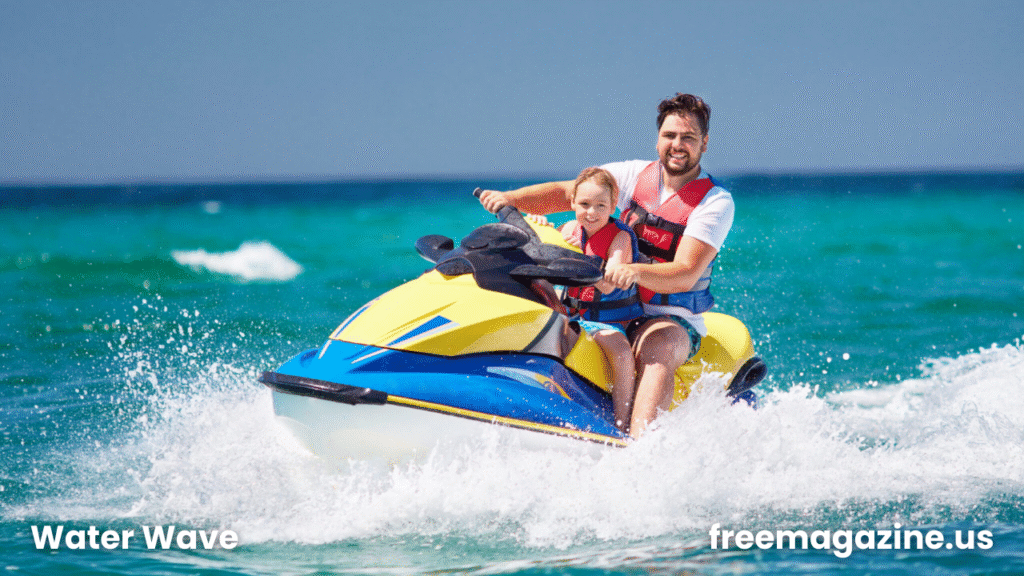
Jet skiing is one of the most exciting and dynamic water sports worldwide. It combines speed, adventure, and a sense of freedom that few activities can match. Riding a jet ski allows you to glide across the water at high speed while challenging your balance, reflexes, and focus.
However, jet skiing is not just about thrill. It requires knowledge, awareness, and adherence to safety rules to ensure an enjoyable and safe experience. Beginners need guidance to learn safely, while professionals aim to refine their skills and maintain control in various conditions.
This comprehensive guide offers practical tips, safety recommendations, training techniques, and insider advice to help you enjoy jet skiing safely and efficiently, whether you are a beginner or an experienced rider.
1. Understanding Your Jet Ski
Before you start, it’s essential to familiarize yourself with the key components of a jet ski:
- Handlebars: For precise steering and directional control.
- Throttle and Brake Controls: To manage speed and stop when needed.
- Kill Switch: Attaches to your wrist to immediately stop the engine if you fall.
- Fuel Gauge: To prevent running out of fuel in the middle of the water.
- Hull Design: Affects stability and maneuverability in waves.
Knowing these basics gives you confidence and reduces the chances of mistakes that can lead to falls or loss of control.
2. Tips for Beginners
a. Choosing the Right Location
- Start in calm waters free of heavy boat traffic.
- Avoid open water with large waves initially.
- Lakes and sheltered bays are ideal for your first sessions.
b. Safety Equipment
- Always wear a properly fitted life jacket.
- Use protective eyewear to shield your eyes from water spray and wind.
- Apply waterproof sunscreen to protect your skin from sun exposure.
c. Speed Control
- Begin slowly to get accustomed to the jet ski’s responsiveness.
- Maintain a moderate speed to have enough reaction time for unexpected situations.
- Avoid sudden maneuvers or sharp turns at first.
d. Maintaining Balance
- Sit or stand with your weight centered on the jet ski.
- Keep your knees slightly bent to absorb waves.
- Engage your core muscles to stay stable.
e. Practicing Control
- Experiment with acceleration and deceleration in safe areas.
- Practice gentle turns to understand how the jet ski responds.
3. Tips for Professionals
Even experienced riders need to stay focused and improve their skills in various conditions.
a. Maneuvering Techniques
- Smooth Turns: Lean with your body instead of against the handlebars for better control.
- Wave Riding: Learn how to use small waves to gain speed while maintaining stability.
- Sharp Maneuvers: Only attempt aggressive turns in safe, open areas away from crowds.
b. Open Water Riding
- Always check weather and tide conditions before heading out.
- Avoid venturing too far from shore without a communication device.
- Learn to read waves and currents to plan the best path.
c. Jet Ski Maintenance
- Regularly inspect the engine and hull for any damage.
- Rinse the jet ski with fresh water after saltwater use.
- Ensure the fuel tank is full and all safety equipment is functional before each ride.
d. Enhancing Performance
- Adjust the handlebars and hull trim for optimal control.
- Practice weight shifts and “pop-up” techniques for quicker responses.
- Record your rides to analyze posture and technique for improvement.
4. Common Mistakes to Avoid
For Beginners
- Riding in high waves without experience.
- Over-accelerating or making sudden turns.
- Ignoring safety equipment like life jackets or the kill switch.
For Professionals
- Underestimating sudden weather or current changes.
- Neglecting regular maintenance.
- Overestimating skills in challenging conditions.
Avoiding these mistakes can prevent accidents and improve your overall experience.
5. General Safety Guidelines
- Never operate a jet ski under the influence of alcohol or when fatigued.
- Maintain a safe distance from swimmers, boats, and other riders.
- Carry a whistle or waterproof communication device.
- Avoid riding alone if you are a beginner; it is better to ride with a friend or group.
- Follow local laws and maritime regulations.
6. Types of Jet Skis
- Recreational Jet Skis: Lightweight and easy to control, ideal for beginners.
- Performance Jet Skis: Stronger engines and better handling, suitable for intermediate riders.
- Professional/Racing Jet Skis: High-speed and highly responsive, designed for experts and competitive conditions.
Choosing the right jet ski ensures a safer and more enjoyable experience.
7. Training Techniques
Core and Balance Exercises
- Use a balance board to simulate jet ski movements.
- Strengthen core muscles with planks, Russian twists, and squats.
Cardiovascular Fitness
- Swimming enhances upper body endurance and breath control.
- HIIT sessions improve stamina and quick reaction times.
Mental Training
- Visualization exercises help prepare for waves and maneuvers.
- Reaction drills, like catching a ball or following random commands, enhance reflexes.
8. Environmental Awareness
- Respect marine life and avoid disturbing ecosystems.
- Stick to designated jet skiing areas.
- Keep noise levels reasonable in crowded or sensitive zones.
9. Tips for Fun and Professionalism
- Practice circular or zigzag routes to improve control.
- Use waterproof cameras to record your rides.
- Learn from expert videos or participate in training sessions.
- Gradually challenge yourself with larger waves once confident.
10. Jet Ski Etiquette
- Yield to larger boats and vessels.
- Avoid cutting too close to other riders.
- Use hand signals when riding in groups.
- Respect local speed limits and restricted zones.
Conclusion
Jet skiing is an incredible mix of thrill, speed, and adventure, but it requires responsibility, awareness, and skill whether you are a beginner or a professional. Following these tips, practicing regularly, and respecting safety rules will make your ride more enjoyable and secure.
Start gradually, prioritize safety, and get ready for exciting and unforgettable moments on the water.