Essential Gear You Need for Paddleboarding Adventures
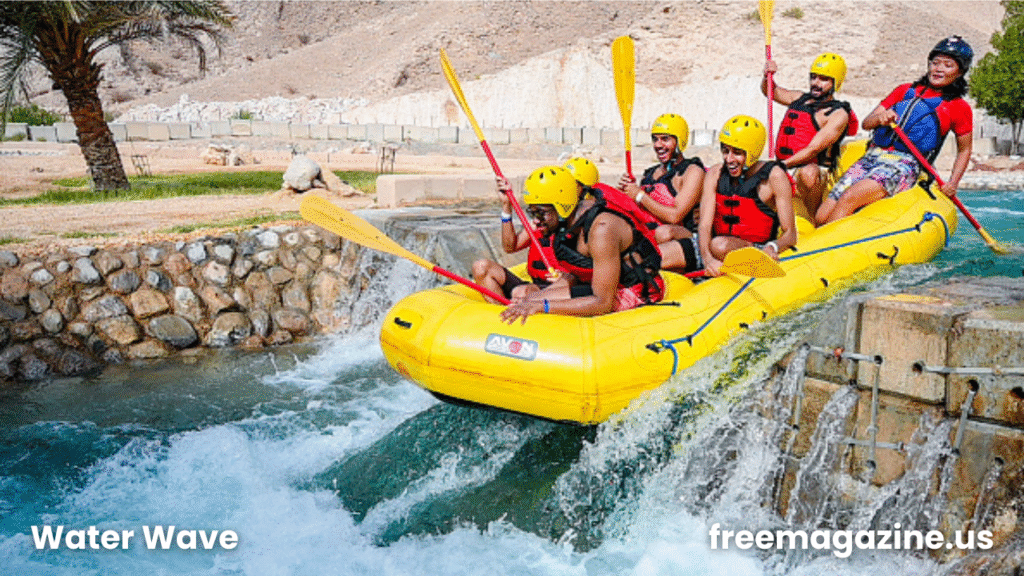
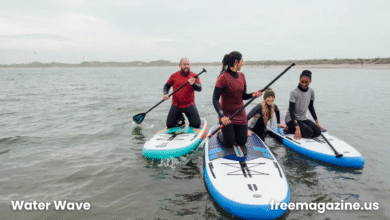
Paddleboarding has become one of the most popular water activities worldwide, whether on calm lakes, flowing rivers, or even ocean waves. Paddleboarding is not just a fun hobby; it is a full-body workout that combines strength, balance, and endurance while providing a unique way to connect with nature.
To fully enjoy this adventure safely and comfortably, it is essential to know the basic gear required for paddleboarding. These items are not optional – they are key tools to ensure your safety and maximize your experience on the water. In this article, we will cover all the essential gear, how to choose it, and practical tips for a successful and enjoyable adventure.
1. Paddleboard (SUP Board)
Types of Boards
- Hard Boards: Made from fiberglass or carbon, they provide excellent performance on waves and flowing rivers. They require more storage space and are less portable.
- Inflatable Boards: Made from durable PVC materials, these boards are easy to transport and store, ideal for beginners and long-distance trips.
Choosing the Right Size
- Length, width, and thickness affect stability and speed.
- Beginners need wider and longer boards for more stability.
- Experienced paddlers may prefer thinner, shorter boards for increased speed and better wave control.
2. Paddle
Types of Paddles
- Adjustable Paddles: Suitable for different heights and used by both beginners and advanced paddlers.
- Fixed Paddles: Provide better stability and are commonly used for racing or large waves.
Choosing the Right Length
- The paddle should be about 20-25 cm taller than your height when standing on the board.
- Lightweight paddles reduce fatigue in the arms and shoulders, making long sessions more comfortable.
3. Leash
- The leash attaches to your ankle and keeps the board close if you fall.
- Essential when riding waves or paddling in flowing water.
- Choose a strong leash that can withstand water pressure and is tear-resistant.
4. Life Vest or Personal Flotation Device (PFD)
- Even if you are a skilled swimmer, a life vest is crucial.
- Helps you stay afloat when tired.
- Some areas legally require wearing a PFD.
- Opt for comfortable and lightweight vests that allow free movement.
5. Wetsuit
Why You Need It
- Protects you from cold water, especially in winter or chilly conditions.
- Offers additional protection from sun exposure, scrapes, and marine insects.
Types of Wetsuits
- Shorty Wetsuit: Covers part of the body, suitable for warm water.
- Full Wetsuit: Covers the entire body, ideal for cold water.
- Dry Suit: Prevents water entry entirely, used in long trips or extremely cold environments.
6. Dry Bag
- On long trips, you need to protect your belongings.
- Phones, keys, food, and drinks from water exposure.
- Available in different sizes, some with straps for wearing on the board.
7. Sun Protection
- Even on cloudy days, UV rays can damage the skin.
- Water-resistant sunscreen is essential.
- Hat or head cover protects the face and neck.
- Sunglasses with a secure strap prevent them from falling into the water.
8. Water Shoes and Gloves
Water Shoes
- Protect feet from rocks, sharp surfaces, and slippery areas.
- Provide better stability on the board, especially in flowing water.
Gloves
- Reduce friction during long paddling sessions.
- Keep hands warm in cold water.
9. Additional Safety Gear
- Whistles: Useful for signaling in emergencies.
- Emergency Buoys: Provide extra flotation if you need to rest or escape.
- GPS or Location Devices: Important for long trips or open water paddling.
10. Entertainment and Photography Gear
- Waterproof Action Cameras: Capture your paddleboarding adventure.
- Camera Mounts: Secure your device to the board or paddle.
- Waterproof Headphones: Listen to music safely while paddling, but remain aware of your surroundings.
Tips for Choosing the Right Gear
- Know Your Skill Level: Beginners need more stable, easy-to-use equipment.
- Quality Materials: Invest in durable, water-resistant, and impact-resistant gear.
- Freedom of Movement: Equipment should allow full motion without restricting paddling.
- Check Safety Accessories: Inspect leashes, PFDs, and other safety items before every trip.
- Environmental Considerations: Use corrosion-resistant gear if switching between saltwater and freshwater.
Caring for Your Paddleboarding Gear
- Rinse boards and paddles with fresh water after each use to remove salt and dirt.
- Dry vests and wetsuits before storing to prevent odors and mold.
- Regularly inspect leashes and PFDs for safety.
- Store gear away from direct sunlight to prevent material damage.
Benefits of Having the Right Gear
- Enhanced Safety: Reduces risks during paddling.
- Improved Performance: Proper equipment provides stability, speed, and control.
- Comfort and Enjoyment: Allows focus on the adventure rather than worrying about gear or hazards.
- Extended Endurance: High-quality gear enables longer sessions without excessive fatigue.
Conclusion
Paddleboarding is an amazing adventure that combines fitness, fun, and connection with nature. To fully enjoy this experience, having the right gear is essential. From the board and paddle to life vests and wetsuits, each piece plays a vital role in your safety and performance.
Choosing gear carefully and maintaining it properly ensures safe and enjoyable adventures for years. Paddleboarding is not just a sport; it is a full experience, and the right equipment is the key to making every trip safe, enjoyable, and memorable.