The Health Benefits of Open Water Swimming
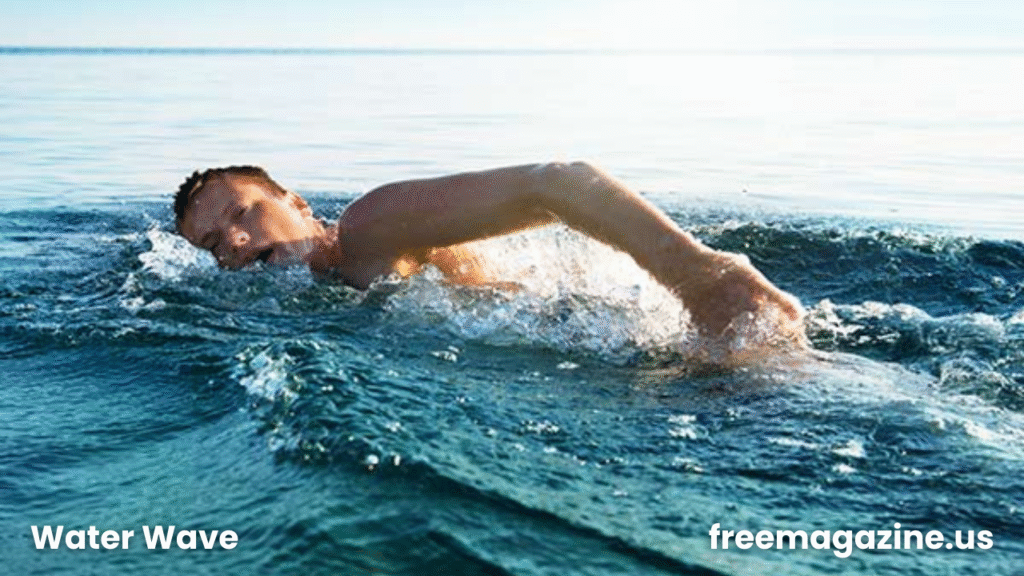
Open water swimming is a unique activity that combines recreation, physical fitness, and mental relaxation. Unlike swimming pools, lakes, rivers, and oceans provide a natural environment rich in minerals and fresh air, making it a complete health activity.
Many people swim in open water to escape the daily routine and enjoy the beauty of nature. Scientific studies have shown that open water swimming offers a wide range of physical and mental benefits, making it more than just a recreational sport.
Open Water Swimming vs. Pool Swimming
- Pool Swimming: Controlled temperature and depth, ideal for beginners, but limited in providing a natural experience.
- Open Water Swimming: Exposes the body to natural elements such as minerals, fresh air, currents, and weather challenges.
These environmental challenges make open water swimming more effective for improving fitness, boosting the immune system, and enhancing mental well-being.
Physical Benefits of Open Water Swimming
- Improved Overall Fitness
Swimming is a full-body exercise that engages all muscles:
– Arms: Pushing and pulling motions with the hands.
– Back and Core: Supporting movement and maintaining balance.
– Legs: Propelling the body forward and maintaining stability.
The natural challenges of open water, such as waves and currents, increase exercise intensity, enhancing muscle strength and endurance. - Cardiovascular and Respiratory Health
Swimming is an excellent cardiovascular activity. It improves the heart’s pumping efficiency and increases lung capacity. Regular open water swimming boosts endurance and reduces the risk of heart disease. - Strengthened Immune System
Swimming in open water, especially cold water, stimulates the body to produce more immune cells and increases resistance to infections and illnesses. - Enhanced Flexibility and Balance
Continuous movement in open water requires the body to adjust to various conditions, improving joint flexibility, balance, and the ability to adapt to sudden changes in the water. - Calorie Burning
Open water swimming burns more calories than pool swimming due to water resistance and environmental factors. An average swimmer can burn 400-600 calories per hour, with higher expenditure in fast swimming or cold water.
Mental and Psychological Benefits
- Stress and Anxiety Reduction
Swimming in calm natural waters helps relax the nervous system, reduce cortisol levels, and trigger endorphin production, providing a sense of happiness and mental relief. - Improved Sleep
Cold water exposure and sustained exercise help regulate sleep patterns and improve sleep quality, leaving the body feeling relaxed after physical exertion. - Increased Focus and Mental Clarity
Open water swimming challenges, such as currents and waves, stimulate the brain to concentrate and make quick decisions, improving attention and cognitive function. - Boosted Self-Confidence
Facing natural water challenges, especially cold or rough conditions, creates a sense of accomplishment and resilience, enhancing self-confidence and control in difficult situations.
Benefits of Cold Water Swimming
- Improved Circulation
Cold water causes blood vessels to constrict and then expand, enhancing blood circulation and promoting healthy organ function. - Boosted Metabolism and Fat Burning
Exposure to cold water increases metabolic rate and encourages the body to burn fat to generate heat, aiding in weight management and fitness improvement. - Enhanced Mood and Energy
Cold water stimulates the release of norepinephrine, a neurotransmitter that improves mood and increases alertness and energy levels.
Essential Gear for Open Water Swimming
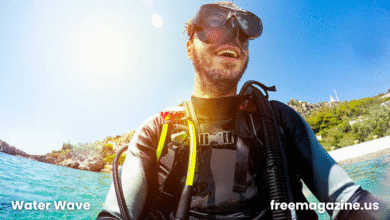
- Wetsuit: Protects the body from cold water and maintains comfort for extended periods.
- Goggles: Protect the eyes from salt, debris, and improve underwater visibility.
- Gloves and Water Shoes: Recommended in rocky or very cold environments.
- Safety Equipment: Buoys or floatation devices for long-distance swimming.
Tips for Safe Open Water Swimming
- Understand the Water Environment: Learn about currents and waves to avoid accidents.
- Swim with a Partner: Never swim alone; a companion increases safety.
- Start Gradually: Begin in calm water before moving to deeper lakes or oceans.
- Check Weather Conditions: Heavy wind or rain can make swimming dangerous.
- Use Safety Gear: Proper wetsuits, flotation devices, and communication tools are essential.
Social Benefits of Open Water Swimming
- Making Friends: Swimming groups offer opportunities to meet and interact with others.
- Promoting Cooperation: Some training exercises require coordination, improving teamwork skills.
- Connecting with Nature: Group swimming in natural lakes or rivers provides a sense of belonging to both nature and the community.
Best Open Water Swimming Locations Worldwide
- Lake Baikal – Russia: Pristine waters and stunning natural surroundings.
- Lake Tahoe – USA: Clear waters surrounded by mountains.
- Maldives Islands: Warm waters and beautiful coral reefs.
- Australian Coast: Combination of calm waters and exciting challenges.
- Lake Lugano – Switzerland: Ideal for both beginners and experienced swimmers.
Conclusion
Open water swimming is more than a sport. It is a holistic experience that benefits the body, mind, and soul. From improving fitness and heart health, enhancing circulation, to reducing stress and increasing focus and self-confidence, every advantage makes swimming in natural waters an ideal choice for those seeking comprehensive health and enjoyment in nature.
Whether you are a beginner or a seasoned swimmer, proper preparation, correct gear, and understanding the water environment are essential for a safe and enjoyable experience.